
The Future of Travel Is Here: Why AI Translator Earbuds Are Changing H…
페이지 정보

본문
Here is a blog post about AI translator earbuds, structured to be engaging, informative, and optimized for search engines.
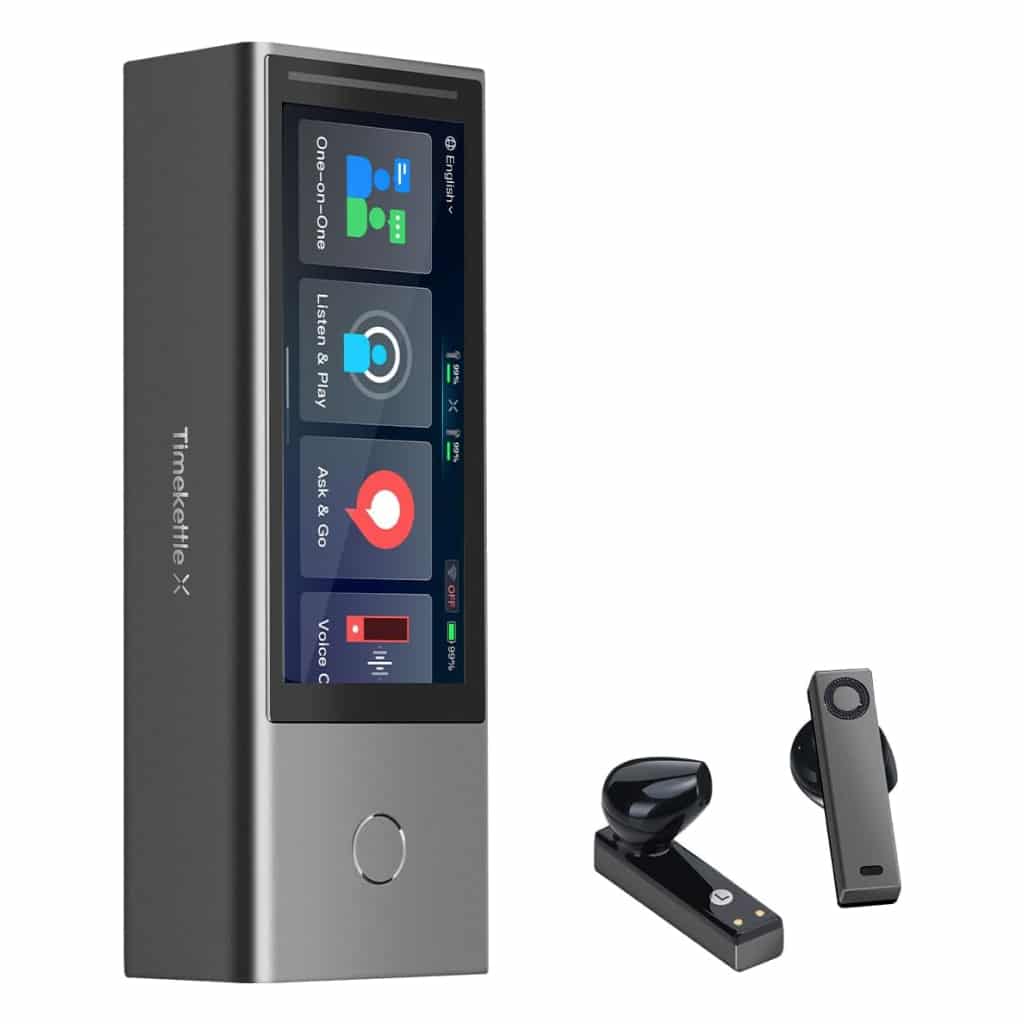
Imagine stepping off a plane in Tokyo. You’re hungry, tired, and surrounded by neon lights. You spot a tiny ramen shop tucked away in a narrow alley. The menu is entirely in Kanji, and the chef speaks no English.
In the past, you’d fumble with your phone, opening a translation app, speaking into it, waiting for it to process, and then holding the phone up like a awkward white flag. The chef waits. You wait. The magic of the moment fades.
But what if you could simply look at the chef, ask a question naturally, and hear a translated response in your ear—in real-time?
This isn't science fiction. It’s the reality of AI translator earbuds, and they are poised to become the most essential travel gadget of the decade.
From Audio Accessory to Global Concierge
For years, earbuds have been defined by one primary function: audio consumption. We used them to listen to music, take calls, or drown out the office noise with white noise.
However, the explosion of Artificial Intelligence (AI) has supercharged these tiny wearables. While smart glasses and handheld translators have tried to bridge the language gap before, they often felt clunky or conspicuous. Earbuds, on the other hand, are already socially acceptable. We wear them everywhere.
By embedding advanced Neural Machine Translation (NMT) directly into the hardware, manufacturers like Timekettle, Waverly Labs, and even tech giants like Google and Apple are turning earbuds into active participants in our conversations.
How Do They Work?
At the heart of these devices is a blend of three technologies:
- Advanced Noise Cancellation: Before translation can happen, the earbuds must isolate the speaker's voice from the chaotic background noise of a street or café.
- Neural Machine Translation (NMT): This is the AI brain. Unlike older dictionary-style translation, NMT understands context, slang, and sentence structure, producing more natural-sounding results.
- Low-Latency Connectivity: The biggest hurdle in translation is the lag. AI earbuds use optimized Bluetooth protocols (or dedicated dongles) to ensure the translation arrives in your ear almost instantly, maintaining the natural rhythm of a conversation.
The Magic of "Simultaneous" Translation
The game-changer is the Simul-mode (Simultaneous Interpretation).
With traditional translation apps, there is a distinct "stop-and-start" rhythm:
- You talk.
- You stop.
- The phone processes.
- The phone talks.
AI earbuds aim to remove this friction. You wear one earbud, and your foreign-speaking companion wears the other (or uses a companion app on their phone). As you speak in English, the AI processes and streams the translation directly into their ear—and vice versa. The result feels less like a robot translation and more like a telepathic connection.
Beyond Travel: Real-World Applications
While travel is the most obvious use case, the applications for AI translator earbuds extend far beyond tourism:
- Business Meetings: Imagine closing a deal with an international client without a human interpreter in the room. The earbuds allow for a natural, face-to-face flow of conversation, building trust and rapport.
- Education: Language students can practice real-time conversations with native speakers, receiving instant feedback and corrections without breaking the flow of dialogue.
- Healthcare: Doctors can communicate with patients who speak different languages instantly, ensuring accurate diagnoses and compassionate care without waiting for a third-party translation line.
- Customer Service: Retail and hospitality workers can assist non-native speakers effortlessly, improving the customer experience and breaking down service barriers.
The Current Limitations
As with any emerging tech, it’s not perfect—yet.
- Connectivity: While some high-end models work entirely offline, most rely on a connection to cloud servers for the best accuracy. This can be an issue in areas with poor data coverage.
- Nuance and Idioms: AI is brilliant at grammar, but it sometimes struggles with deep cultural idioms, sarcasm, or heavy accents.
- Battery Life: Processing language in real-time is power-hungry. While batteries are improving, you might still need a midday charge for heavy users.
What to Look For If You’re Buying
If you're ready to ditch the phrasebook, here are the key features to consider:
- Language Support: Don't just count the number of languages; check the specific dialects you need. Some devices support 40+ languages, but accuracy varies.
- Offline Mode: If you plan to travel to remote areas without data, look for earbuds that offer offline language packs.
- Comfort and Fit: You’ll be wearing these for hours. Look for ergonomic designs and silicone tips that seal well (which also helps with noise isolation).
- Multi-Mode Functionality: The best ai translation earbuds 2026 earbuds double as high-quality music earbuds. There’s no point in carrying a device that only does one thing.
The Verdict: A Tool for Connection
We live in an increasingly interconnected world, yet language barriers remain one of the last great divides. AI translator earbuds are more than just a cool gadget; they are a tool for empathy.
By allowing us to communicate freely with anyone, anywhere, these devices don't just translate words—they translate culture. They turn a confused tourist into an empowered explorer and a hesitant business partner into a collaborator.
The next time you travel, don't just bring a map. Bring a conversation.
Are you using AI translator earbuds on your travels? Share your experiences in the comments below!
- 이전글polymarket app 26.05.04
- 다음글электрические рулон 26.05.03
댓글목록
등록된 댓글이 없습니다.